


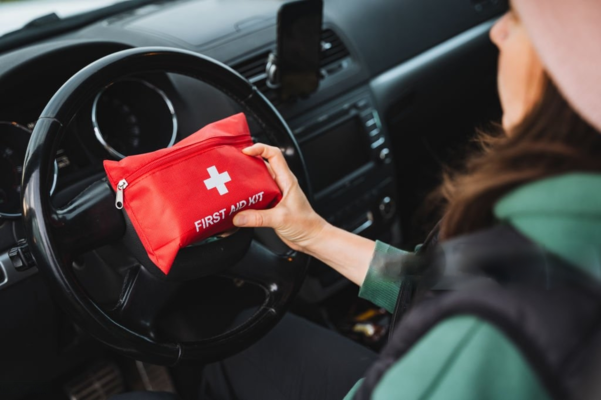
A car first aid kit is one of the key elements of driver and passenger safety. It can save lives in emergency situations where every second counts. However, many drivers do not know what should be in the first aid kit according to current standards and what means it should be equipped with. Let's look at all the important aspects related to the car first aid kit: its purpose, contents, usage and maintenance rules, as well as the responsibility for its absence.
Purpose of a Car First Aid Kit
The primary function of a first aid kit is to provide first aid to victims in road traffic accidents (RTAs) or other situations where there is a threat to a person's life or health. A car first aid kit allows you to:
- Stop bleeding.
- Perform temporary immobilization of limbs.
- Treat wounds, burns, and other injuries.
- Provide first aid in case of loss of consciousness or cardiac arrest.
Having a properly equipped first aid kit can significantly increase the chances of survival for victims before medical professionals arrive.
Requirements for a Car First Aid Kit in Ukraine
In Ukraine, the requirements for a car first aid kit are regulated by orders of the Ministry of Health, in particular DSTU 3961-2000, which defines the mandatory set of medical supplies. An important requirement is the presence of certified means for providing first aid, which meet established standards. The first aid kit should not contain medications that require medical prescriptions and may cause side effects when used incorrectly.
It is also important to distinguish between first aid kits for passenger cars (up to 9 passengers) and buses (more than 9 passengers). A car first aid kit contains basic first aid items such as bandages, antiseptics, and wipes. Meanwhile, bus first aid kits include an expanded list of items, such as additional bandages, more sterile materials, immobilization means, and extra wipes for mass use. This is due to the need to serve more passengers in case of an accident or other emergency situations.
The first aid kit must be stored in an accessible location in the vehicle so that it can be quickly used if necessary. The driver is responsible for its availability and the proper condition of all medical supplies.
Mandatory Contents of a Car First Aid Kit
The contents of a car first aid kit must include items necessary for providing first medical aid. According to new standards, the first aid kit includes:
Means for Stopping Bleeding and Dressing Wounds
- Sterile bandages of various widths (5 cm, 7 cm, 10 cm).
- Elastic bandage for securing dressings.
- Gauze wipes for wound cleansing.
- Hemostatic wipes or powders for rapid bleeding control.
- Tourniquet for stopping arterial bleeding.
- Hemostatic dressings with antiseptic impregnation.
Means for Providing Assistance in Injuries and Other Conditions
- Plasters of various sizes for minor cuts.
- Antiseptic agents (chlorhexidine, hydrogen peroxide, iodine).
- Sterile gloves for hygiene while providing assistance.
- Valve mask for artificial respiration.
- Thermal insulation covering (rescue blanket) to prevent hypothermia.
- Alcohol wipes for skin disinfection.
- Set of disposable syringes (2 ml, 5 ml, 10 ml) for injections if necessary.
- Tweezers for removing foreign objects from wounds.
- Sanitary scissors with blunt ends for cutting clothes or bandages.
Means for Wound and Burn Treatment
- Furacilin solution or antiseptic spray for wound treatment.
- Anti-burn wipes or gels (such as "Panthenol").
- Hydrogel dressings for burn treatment.
- Medical adhesive for securing dressings.
Means for Immobilization and Fixation
- Splints for temporary fracture immobilization.
- Elastic bandages for joint support.
- Fixators for immobilizing fingers or wrists.
Other Important Elements
- First aid manual.
- Emergency services contact list.
- Disposable medical masks.
- Antibacterial gel or hand disinfectant.
This list ensures that drivers and passengers have the necessary means to provide first aid in critical situations and minimizes risks before emergency services arrive.
Additional Recommendations for First Aid Kit Contents
Although not legally required, it is recommended to add additional supplies to the first aid kit that can significantly improve the effectiveness of first aid in emergencies. These include:
- Antihistamines (in case of allergic reactions, such as loratadine or cetirizine).
- Pain relievers (paracetamol, ibuprofen – only with prior doctor approval).
- Burn relief agents (special gels or sprays, such as "Panthenol").
- Capron threads and surgical needle for emergency deep wound suturing.
- Ophthalmic drops for eye washing in case of foreign objects or chemical exposure.
- Additional sterile gauze wipes and cotton swabs for wound treatment.
- Bactericidal wipes for quick skin disinfection.
- Elastic bandage with a fastener for supporting injured limbs.
- Disposable medical masks and antiseptic gels for personal hygiene when providing aid.
Additionally, it is recommended to have a short first aid instruction in the kit, containing step-by-step actions in case of accidents, bleeding, loss of consciousness, or burns. This is especially important for drivers who lack medical training. It is also essential to regularly check the first aid kit contents and replace expired items to keep them effective.
Rules for Using and Maintaining a Car First Aid Kit
The first aid kit should be kept in an easily accessible place so that it can be quickly used if necessary. Drivers and passengers should know where it is stored in the vehicle and have basic knowledge of how to use its components. It is recommended to take first aid courses or at least familiarize oneself with official guidelines from medical institutions.
The first aid kit should be checked periodically to ensure that all necessary supplies are present. It is particularly important to monitor the expiration dates of bandages, antiseptics, and medical supplies. Expired materials may lose their properties and become unusable.
If the first aid kit has been used, even partially, it is essential to replenish missing supplies immediately. Additionally, storage conditions should be considered: the first aid kit should be protected from moisture, overheating, and mechanical damage. Excessive heat or cold can negatively affect the quality of bandages, antiseptics, and other components.
It is recommended to check the first aid kit contents at least once every six months and ensure its compliance with current regulations. This will help maintain its effectiveness in any emergency situation.
Expiration Date of a Car First Aid Kit
All components of a first aid kit have their expiration dates, which are indicated on the packaging. On average, bandages and antiseptics remain usable for 3-5 years; however, it is recommended to update the first aid kit every 2-3 years. Expired supplies may lose their properties and become unsuitable for use.
What is the Fine for Not Having a First Aid Kit?
According to Ukrainian law, the absence of a first aid kit is an administrative violation and is subject to a fine. As of 2024, the fine can range from 340 to 680 UAH. Additionally, during the technical inspection of commercial transport, having a first aid kit is a mandatory requirement.
A car first aid kit is not just a formality but a tool that can save lives. Every driver must take responsibility for its contents and condition. Regularly checking the first aid kit, placing it correctly in the car, and having basic first aid knowledge are crucial steps toward increasing road safety. Therefore, do not delay updating your first aid kit – it may be needed in the most critical moment.